

Ayurveda and Panchakarma Care in Amravati​

Book Appointment Now

    Personalized Ayurvedic care and physician-supervised Panchakarma therapies at Shri Manmukund Hospital.

    We combine classical Ayurvedic principles with individualized assessment, therapeutic procedures, diet and lifestyle guidance to support patients with chronic and musculoskeletal conditions and other health concerns.


    Ayurveda & Panchakarma at Shri Manmukund Hospital

    At Shri Manmukund Hospital, our Ayurved & Panchakarma Unit provides personalized Ayurvedic care based on individual assessment and treatment requirements. Our approach goes beyond providing individual therapies—we first understand the patient’s condition and then develop an appropriate treatment plan.

    Treatment may include Ayurvedic medicines, diet and Pathya guidance, lifestyle modification, external therapies and Panchakarma procedures when clinically indicated. Panchakarma is planned according to the patient’s condition, strength, age, digestive status and other relevant clinical factors, rather than following the same protocol for every patient.

    Our aim is to provide classical Ayurvedic care in a professional hospital environment, with appropriate supervision, patient education and follow-up care.

    What Do We Treat?

    Ayurvedic Care for a Range of Chronic and Lifestyle-related Conditions

    At Shri Manmukund Hospital, Ayurvedic treatment is planned according to the individual patient’s condition, symptoms, constitution and treatment requirements. Our Ayurved & Panchakarma Unit provides personalized care for a range of musculoskeletal, spine, digestive, metabolic and other chronic health concerns.

    Spine & Musculoskeletal Conditions

    • Arthritis and joint-related complaints
    • Knee pain and stiffness
    • Back pain and lower back disorders
    • Neck pain and stiffness
    • Spondylosis
    • Sciatica and selected nerve-related pain conditions
    • Musculoskeletal stiffness and restricted movement

    Vata-related Disorders

    Ayurvedic care for selected conditions associated with Vata imbalance, particularly those presenting with pain, stiffness, dryness, restricted movement and other Vata-related symptoms.

    Digestive & Metabolic Concerns

    • Indigestion and digestive discomfort
    • Constipation
    • Bloating and abdominal discomfort
    • Selected lifestyle-related and metabolic concerns
    • Supportive Ayurvedic care for improving digestion and maintaining healthy routines

    Lifestyle & Preventive Ayurvedic Care

    • Personalized diet and Pathya guidance
    • Lifestyle and daily-routine modification
    • Seasonal Ayurvedic health guidance
    • Rejuvenative and wellness-oriented Ayurvedic care where appropriate

    Panchakarma-based Care

    For selected patients, Panchakarma and other Ayurvedic therapeutic procedures may be incorporated into the treatment plan after appropriate assessment and preparation.

    Every patient is different. Ayurvedic medicines and therapies are selected according to individual assessment; not every patient requires the same treatment or Panchakarma procedure.

    Ayurvedic Care for Vata Disorders

    Ayurveda considers Vata Dosha an important factor in conditions associated with pain, stiffness, restricted movement, dryness and functional disturbances. At Shri Manmukund Hospital, Ayurvedic assessment is used to understand the patient’s individual constitution and disease pattern before selecting an appropriate treatment approach.
    Ayurvedic care for selected conditions associated with joint pain, stiffness and restricted movement.
    Individualized Ayurvedic management for selected back, neck, joint and musculoskeletal complaints.
    Where appropriate, therapies such as Abhyanga, Swedana, Basti and other procedures may form part of the treatment plan.
    Assessment and treatment based on the patient's symptoms, constitution and overall clinical condition.


     Our Ayurvedic Treatment Approach

    From individual assessment to personalized treatment and follow-up care.

    Treatment begins with a detailed consultation to understand the patient's symptoms, health history, current concerns and treatment goals.
    The physician evaluates the patient's constitution, present disease state and relevant Ayurvedic factors to understand the individual pattern of illness.
    Based on the assessment, an individualized treatment plan may include Ayurvedic medicines, diet and Pathya advice, lifestyle modification and appropriate therapeutic procedures.

    Ayurvedic Therapies

    Selected therapies may include external procedures and other Ayurvedic interventions according to the patient’s condition and treatment plan.
    Abhyanga • Swedana • Local therapies • Basti • Other indicated procedures

    Panchakarma When Indicated

    For appropriate patients, Panchakarma procedures may be incorporated into the treatment plan after proper assessment and preparation.

    Pathya, Lifestyle & Follow-up

    Treatment is supported by appropriate dietary guidance, lifestyle advice and follow-up assessment to monitor progress and provide continuing care.

    Panchakarma at Shri Manmukund Hospital

    Personalized Panchakarma therapies under appropriate Ayurvedic supervision

    Panchakarma is a classical Ayurvedic therapeutic system involving individualized purification, balancing and restorative therapies. At Shri Manmukund Hospital, Panchakarma is provided under the guidance of qualified Ayurvedic physicians after assessment of the individual’s Prakriti, Vikriti, digestive capacity, strength, age, season and clinical condition.

    Panchakarma is not a one-size-fits-all detox programme. The therapies, medicines, duration and intensity are selected according to the individual patient’s needs.

    Our approach combines the principles of Ayurveda, individualized clinical assessment and supervised therapeutic care to provide safe and structured Panchakarma treatment.

    What is Panchakarma?

    The word Panchakarma means “five therapeutic actions” in Ayurveda. It refers to five classical therapeutic procedures described for the elimination and management of aggravated Doshas and for restoring physiological balance.

    The five principal procedures are:

    • Vamana – therapeutic emesis
    • Virechana – therapeutic purgation
    • Basti – medicated enema therapy
    • Nasya – administration of medicines through the nasal route
    • Raktamokshana – therapeutic bloodletting


    Not every patient requires all five procedures. A Panchakarma programme is selected according to the patient’s individual condition and therapeutic requirement.

    Our Panchakarma Approach

    At Shri Manmukund Hospital, Panchakarma is approached as a planned therapeutic process, rather than simply a wellness or detox package. The treatment generally involves three stages:

    Purvakarma – Preparation

    Before the main Panchakarma procedure, the patient may undergo preparatory therapies such as:

    Snehana (Oleation)
    Appropriate internal or external oleation may be used as part of preparation when indicated.

    Swedana (Sudation/Fomentation)
    Controlled therapeutic fomentation may be used to support the preparatory process.

    The type and duration of preparation depend on the planned treatment and the patient’s clinical status.

    Pradhana Karma – Main Treatment

    After adequate preparation, the selected Panchakarma procedure is performed under appropriate supervision.

    The procedure may include

    • Vamana,
    • Virechana,
    • Basti,
    • Nasya or, in appropriately selected cases,
    • Raktamokshana.

    Paschat Karma – Post-Treatment Care

    Post-treatment care is an important part of Panchakarma.

    Depending on the procedure performed, the physician may advise:

    • Gradual dietary progression
    • Appropriate rest
    • Hydration according to individual requirements
    • Lifestyle modifications
    • Avoidance of excessive physical exertion
    • Follow-up assessment
    • Rasayana or other Ayurvedic therapies where appropriate

    Following certain purification procedures, Samsarjana Krama, a graduated dietary regimen, may be recommended.

    The Five Panchakarma Therapies

    Vamana – Therapeutic Emesis

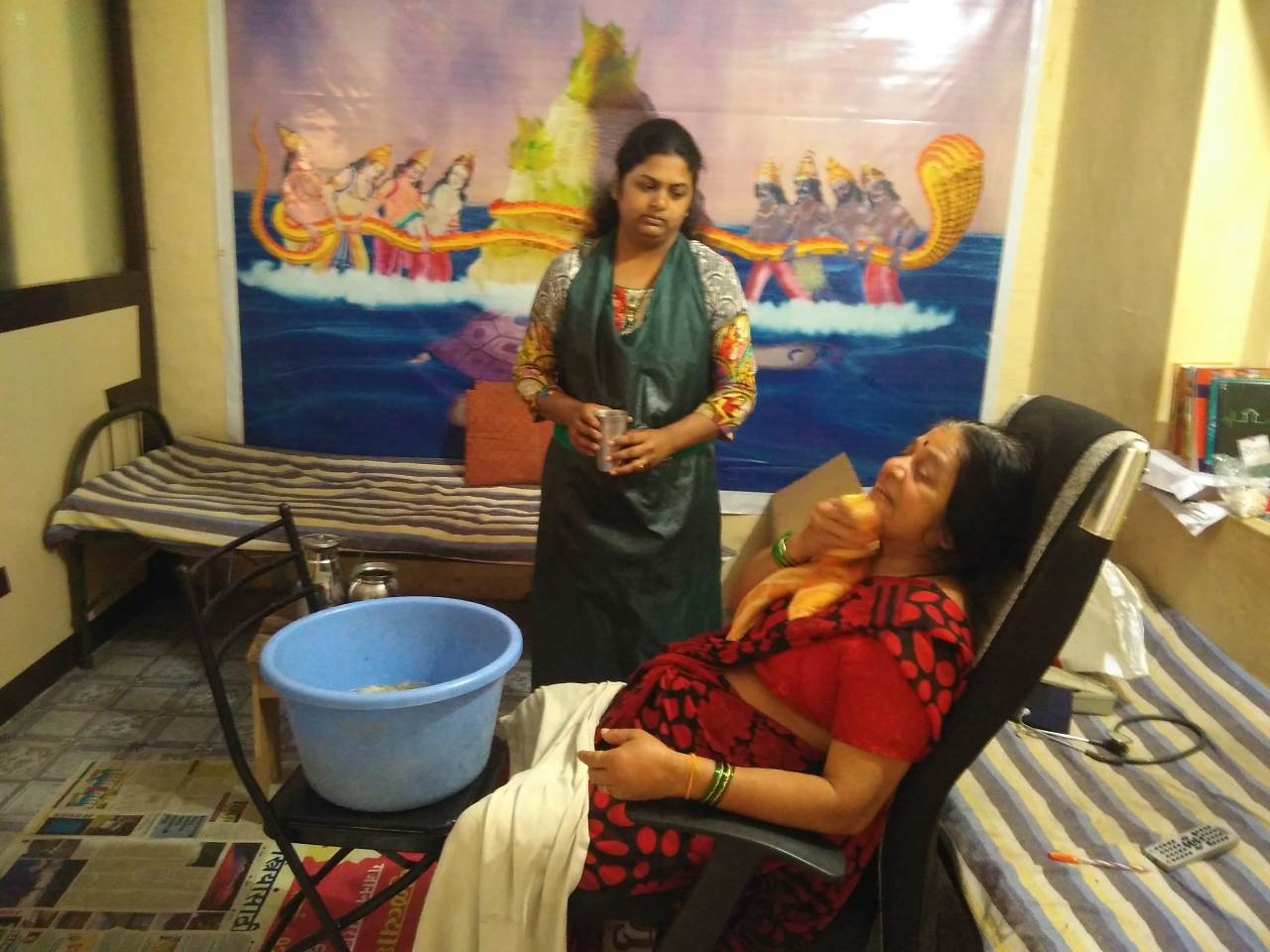
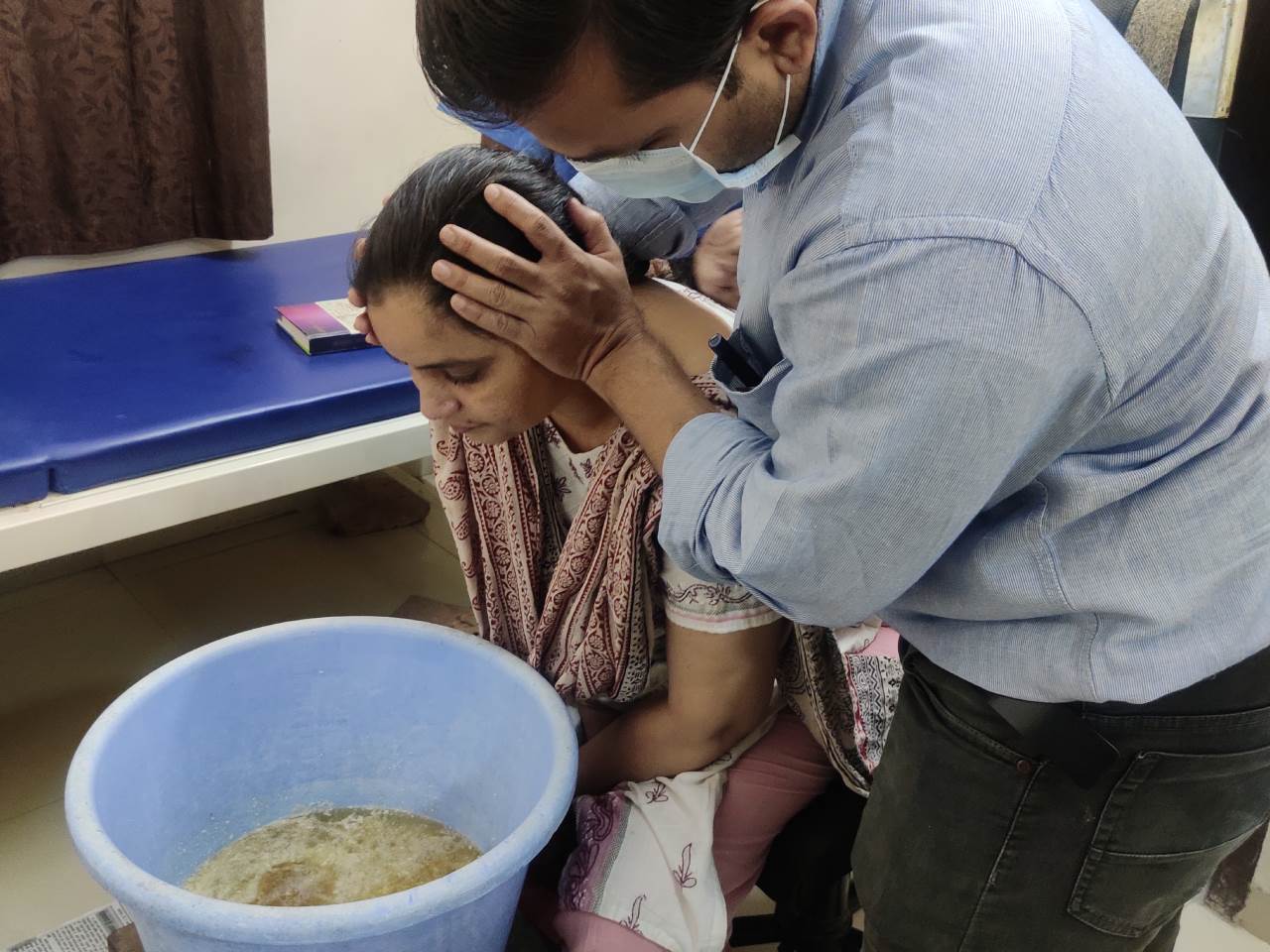
    Vamana Karma is a classical Ayurvedic procedure involving controlled therapeutic emesis.

    It is traditionally associated primarily with conditions involving aggravated Kapha Dosha.

    After appropriate patient selection and preparation, therapeutic emesis is carried out under the supervision of an Ayurvedic physician.

    Vamana is not routinely indicated for every patient and requires careful assessment before treatment.

    Virechana – Therapeutic Purgation

    Virechana Karma is a controlled therapeutic purgation procedure using appropriately selected Ayurvedic medicines.

    It is traditionally associated particularly with Pitta Dosha and is used when therapeutic elimination through the gastrointestinal route is considered appropriate.

    The choice of medicine and dosage is individualized according to the patient’s condition, digestive capacity and treatment objective.

    Basti – Medicated Enema Therapy

    Basti is one of the important therapeutic procedures in classical Ayurveda.

    It involves administration of appropriately selected Ayurvedic preparations through the rectal route.

    Classical Basti includes different forms such as:

    • Niruha / Asthapana Basti
    • Anuvasana Basti
    • Other specialized Basti protocols according to the clinical requirement

    Basti is traditionally considered particularly important in the management of Vata-related disorders.

    The medicine, quantity, duration and type of Basti are selected individually by the physician.

    Nasya – Nasal Therapy

    Nasya Karma involves administration of appropriately selected Ayurvedic medicines through the nasal route.

    It is traditionally used for disorders and conditions involving the head, neck and upper respiratory region, depending on the patient’s Dosha and clinical presentation.

    Nasya may be used as an independent therapy or as part of a broader Ayurvedic treatment programme.

    Raktamokshana – Therapeutic Bloodletting

    Raktamokshana is a classical Ayurvedic procedure described among the five therapeutic actions.

    It involves therapeutic removal of blood in appropriately selected cases.

    Because this procedure requires careful assessment, appropriate technique and strict attention to hygiene and safety, it should only be performed when clinically indicated and by a suitably trained practitioner.

    Who May Benefit From Panchakarma?

    Panchakarma may be considered as part of an individualized Ayurvedic treatment plan for selected patients with:

    • Digestive and metabolic disturbances
    • Selected musculoskeletal conditions
    • Certain Vata-related disorders
    • Selected skin conditions
    • Certain respiratory conditions
    • Lifestyle-related health concerns
    • Stress-related functional complaints
    • Selected chronic conditions as supportive Ayurvedic care
    • Preventive and wellness-oriented Ayurvedic programmes

    The suitability of Panchakarma depends on the individual patient and the specific clinical condition.

    Panchakarma should not be promoted as a universal treatment or as a replacement for necessary medical or surgical care.

    Panchakarma for Wellness and Preventive Care

    Ayurveda also describes Panchakarma in the context of maintaining health and supporting balance.

    For appropriately selected individuals, a supervised Panchakarma programme may be incorporated into a broader wellness plan involving:

    • Individualized diet
    • Lifestyle modification
    • Sleep and daily routine
    • Ayurvedic medicines where indicated
    • Yoga and appropriate physical activity
    • Rasayana therapy when appropriate

    The objective is to develop a sustainable approach to health, rather than relying on repeated short-term detox programmes.

    Panchakarma Treatment Process at Shri Manmukund Hospital

    Step 1 – Ayurvedic Consultation

    The physician evaluates the patient’s:

    • Present complaints
    • Medical history
    • Prakriti
    • Vikriti
    • Agni
    • Strength and general health
    • Current medicines and treatments
    • Lifestyle and dietary habits

    Step 2 – Treatment Planning

    Based on the assessment, the physician determines whether Panchakarma is appropriate.

    The treatment plan may include:

    Purvakarma → Pradhana Karma → Paschat Karma

    The specific therapies and duration are individualized.

    Step 3 – Supervised Panchakarma

    The selected procedure is performed under appropriate medical supervision.

    Step 4 – Recovery and Dietary Management

    The patient receives appropriate dietary and lifestyle instructions after the procedure.

    Step 5 – Follow-Up

    Follow-up helps assess the response to treatment and determine whether further Ayurvedic treatment, Rasayana therapy or lifestyle modification is appropriate.

    Panchakarma and Ayurveda

    Panchakarma is traditionally understood within the broader Ayurvedic framework of:

    Dosha – Agni – Dhatu – Mala – Srotas – Prakriti – Vikriti

    Therefore, Panchakarma should not be separated from the overall Ayurvedic assessment of the patient.

    The same procedure may not be suitable for two patients with apparently similar symptoms.

    Individualized treatment is one of the fundamental principles of Ayurvedic Panchakarma.

    Is Panchakarma Suitable for Everyone?

    No.

    Panchakarma procedures can be intensive and are not automatically appropriate for every individual.

    Treatment selection requires consideration of:

    • Age
    • Physical strength
    • Digestive capacity
    • Disease condition
    • Dosha involvement
    • Pregnancy status
    • Hydration and nutritional status
    • Existing medical conditions
    • Current medications
    • Previous treatment history

    Children, elderly individuals, pregnant women and patients with significant weakness or serious medical conditions require particular caution and individualized assessment.

    Patients should not undertake Panchakarma procedures independently or without appropriate professional supervision.

    Panchakarma and Modern Medical Care

    Panchakarma can be considered within an integrative and individualized healthcare approach where appropriate.

    Patients receiving treatment for conditions requiring conventional medical, emergency or surgical care should continue that care as advised by their treating physician.

    Panchakarma should not be used as a substitute for emergency treatment, necessary surgery or evidence-based treatment of serious medical conditions.

    Why Choose Shri Manmukund Hospital for Panchakarma?

    At Shri Manmukund Hospital, our approach emphasizes:

    Individualized Ayurvedic Assessment

    Treatment is selected according to the patient’s constitution, present condition and therapeutic requirements.

    Physician-Guided Treatment

    Panchakarma procedures are planned and supervised by qualified Ayurvedic professionals.

    Structured Treatment Protocol

    Treatment follows appropriate preparation, main therapy and post-treatment care.

    Focus on Patient Safety

    Patient suitability is assessed before intensive procedures are undertaken.

    Integrated Clinical Approach

    Ayurvedic treatment is provided with appropriate consideration of the patient’s overall healthcare needs.

    Frequently Asked Questions About Panchakarma

    What is Panchakarma?

    Panchakarma is a classical Ayurvedic therapeutic system consisting of five principal procedures—Vamana, Virechana, Basti, Nasya and Raktamokshana—used selectively according to individual patient assessment.

    Is Panchakarma the same as Ayurvedic detox?

    Not exactly. Although Panchakarma is sometimes marketed as “Ayurvedic detox,” classical Panchakarma is a structured therapeutic process involving patient assessment, preparation, a selected principal procedure and post-treatment care.

    Does everyone need all five Panchakarma procedures?

    No. The appropriate therapy is selected according to the patient’s condition, Dosha involvement, strength, age and other clinical factors.

    How long does Panchakarma treatment take?

    The duration varies considerably. It depends on the selected procedure, preparatory requirements, patient’s condition and post-treatment care. The physician determines the appropriate duration after assessment.

    Can Panchakarma be done at home?

    Some mild Ayurvedic therapies may be prescribed for home use, but classical Panchakarma procedures should not be undertaken independently. Procedures such as Vamana and therapeutic Virechana require appropriate professional supervision.

    Is Panchakarma painful?

    The experience varies according to the procedure. Some therapies may be uncomfortable or physically demanding. The physician should explain the procedure, expected effects and precautions before treatment.

    Can Panchakarma cure all diseases?

    No. Panchakarma is not a universal cure. It is an Ayurvedic therapeutic approach that may be appropriate for selected patients and conditions.

    What should I eat during Panchakarma?

    Diet is individualized according to the procedure and the patient’s digestive capacity. After certain purification procedures, a graduated diet called Samsarjana Krama may be advised.

    Can Panchakarma be done for general wellness?

    In appropriately selected individuals, Ayurvedic physicians may recommend Panchakarma as part of preventive or wellness-oriented care. However, even wellness Panchakarma should be individualized rather than treated as a generic detox package.

    Panchakarma May Be Considered For

    Musculoskeletal Care
    • Joint disorders
    • Stiffness
    • Back and neck complaints
    • Selected chronic pain conditions

    Preventive / Rejuvenative Care

    • Selected patients after physician assessment 

    Digestive & Metabolic Care

    • Selected digestive disorders
    • Lifestyle-related conditions

    Neuromusculoskeletal Care

    • Selected conditions where Ayurvedic Panchakarma is appropriate

    Panchakarma procedures are selected according to individual assessment; every patient does not require every procedure.

    Book an Ayurvedic Consultation for Panchakarma

    Considering Panchakarma?

    Begin with an Ayurvedic consultation and individual assessment rather than selecting a procedure based solely on symptoms or online information.

    At Shri Manmukund Hospital, our Ayurvedic team can assess your health condition and determine whether Panchakarma is appropriate for you and, if so, which therapeutic approach is suitable.

    Book an Ayurvedic consultation at Shri Manmukund Hospital to discuss Panchakarma and individualized Ayurvedic care.

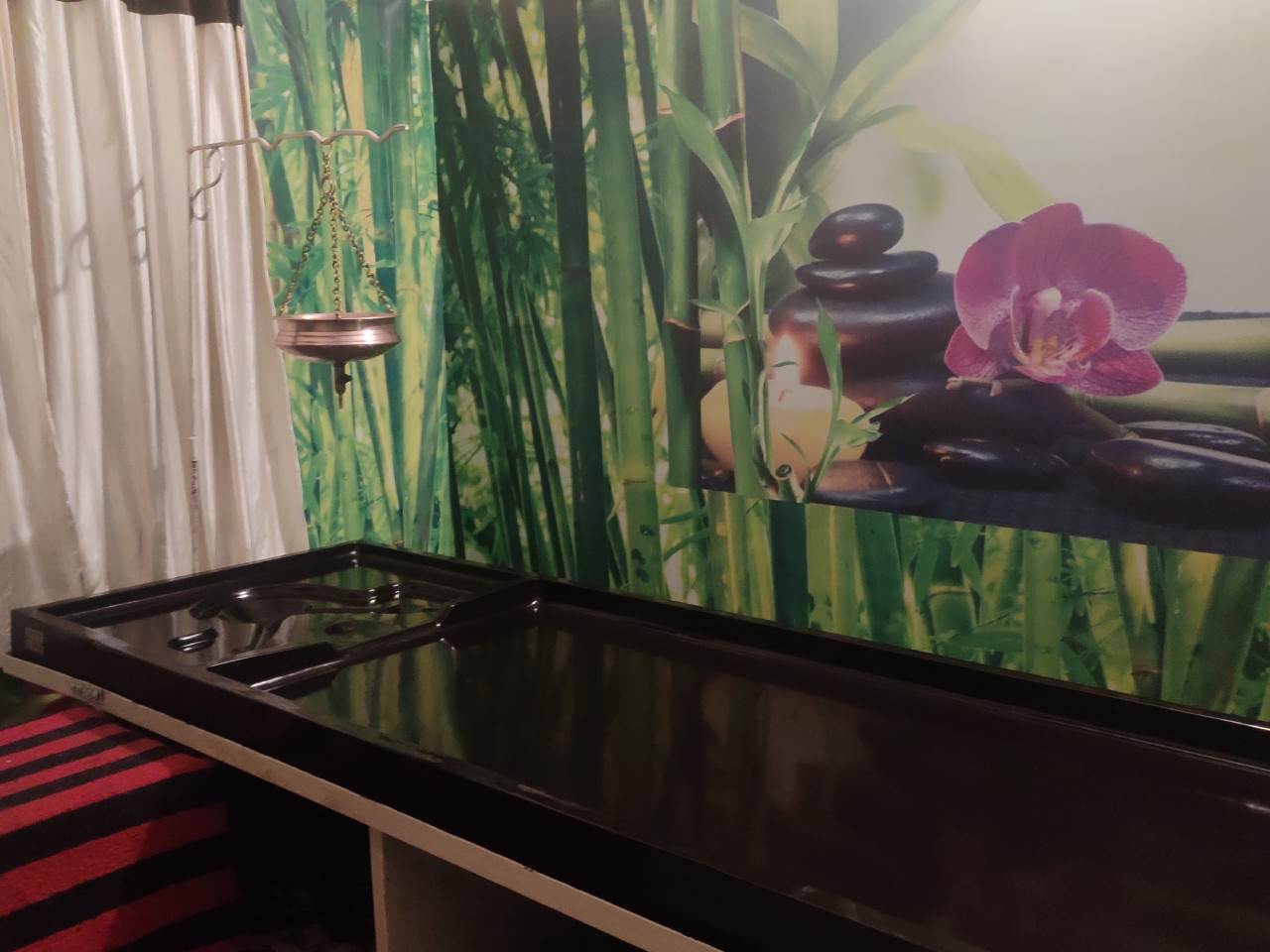
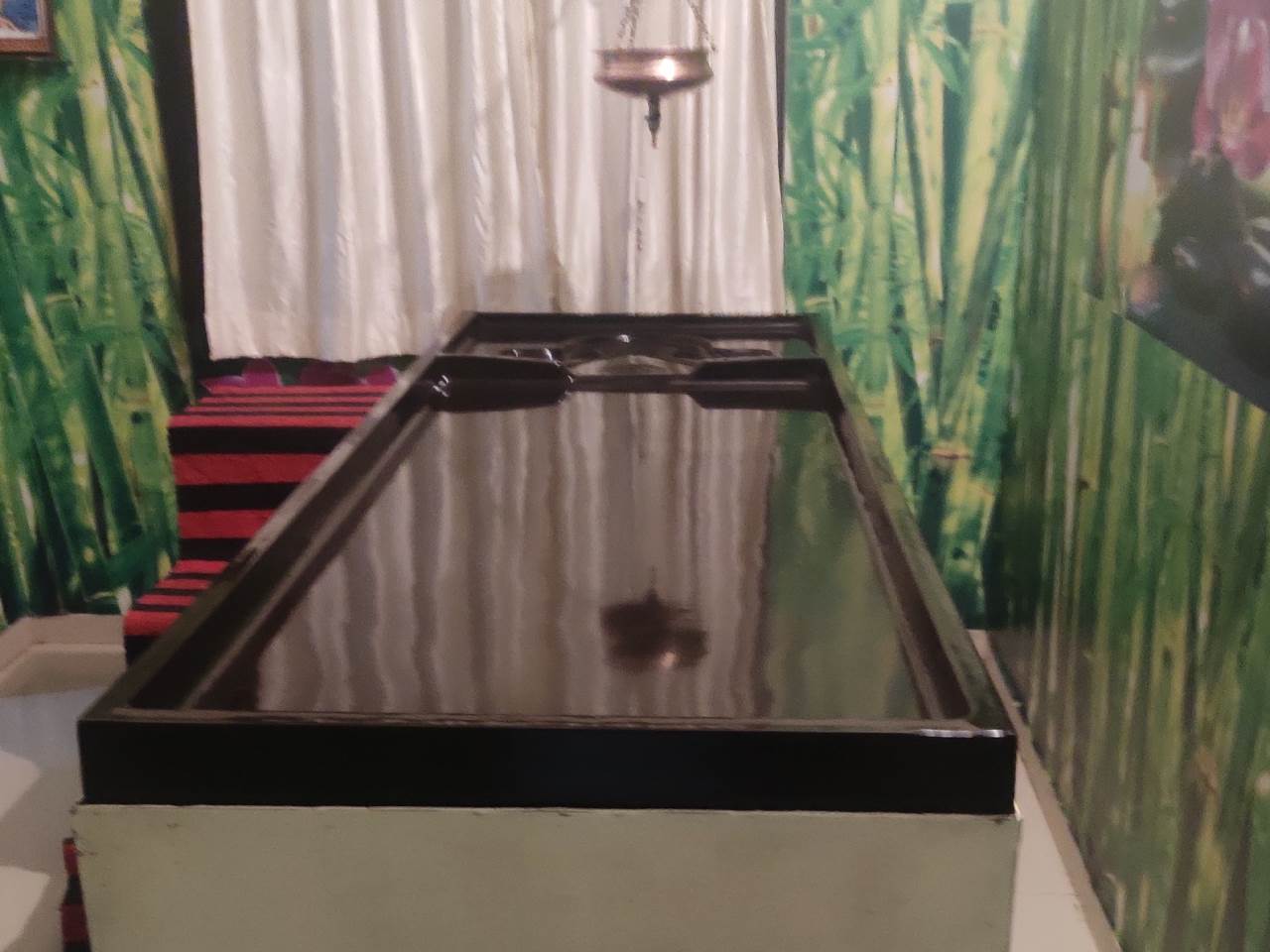
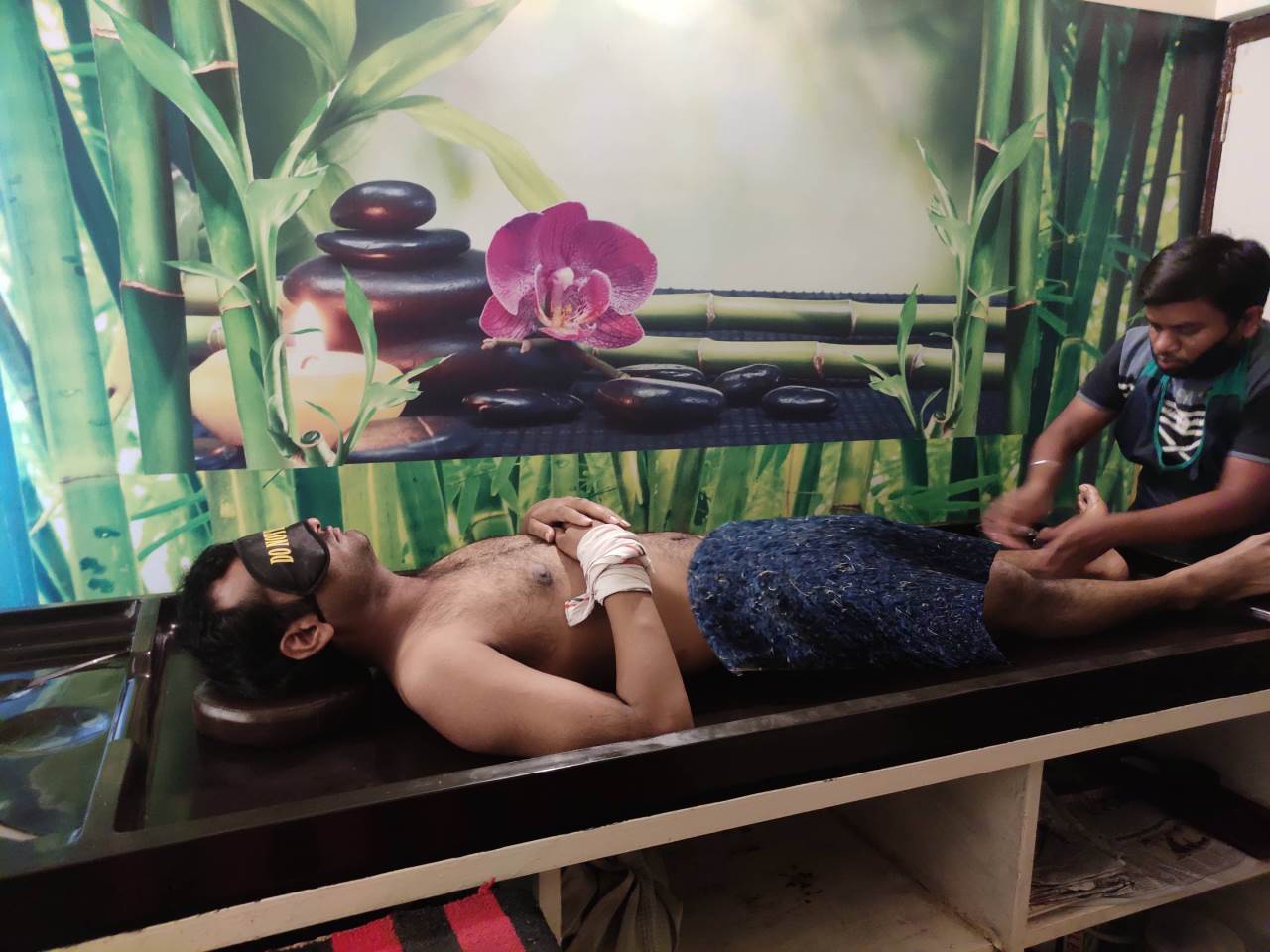
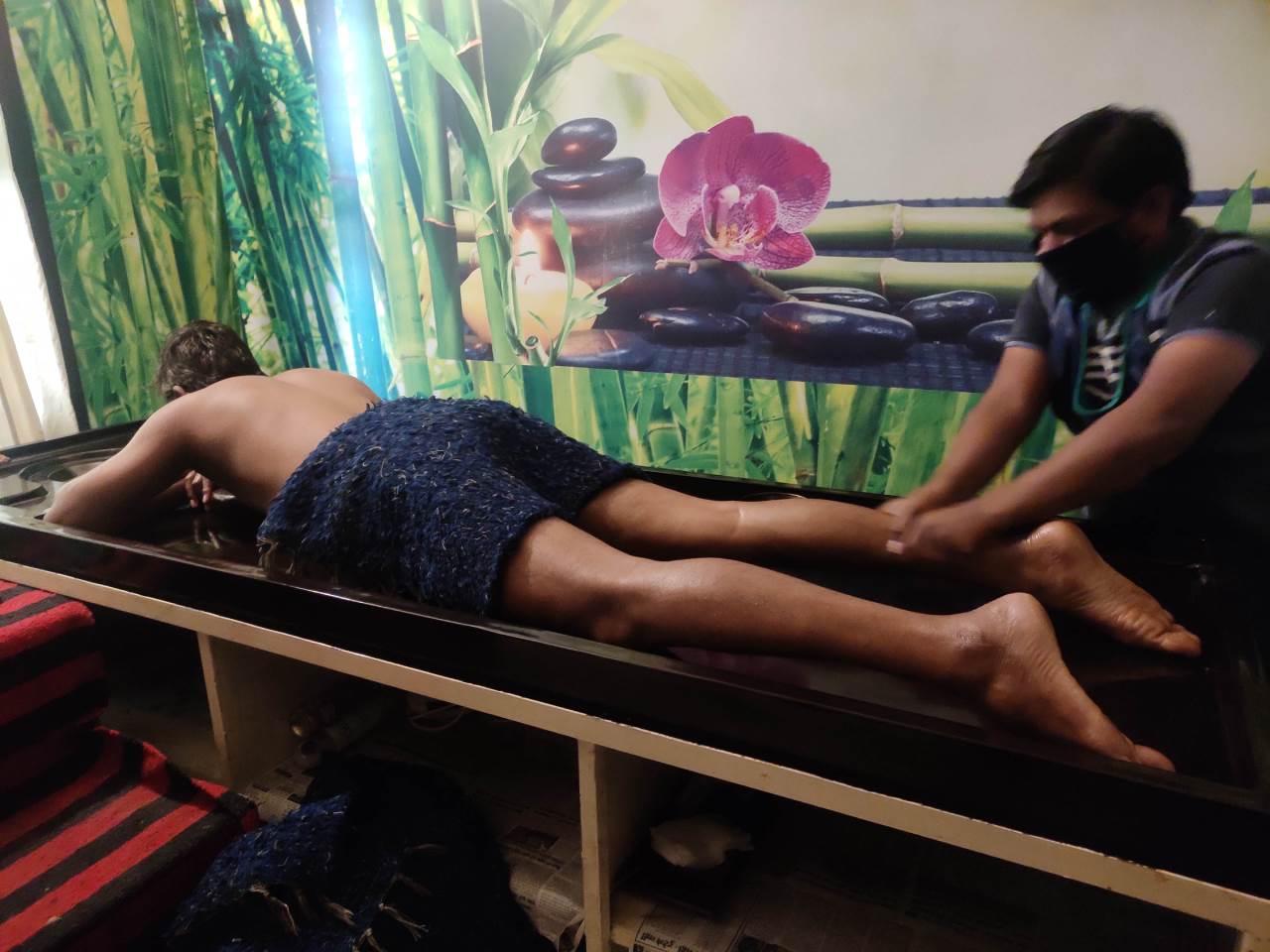
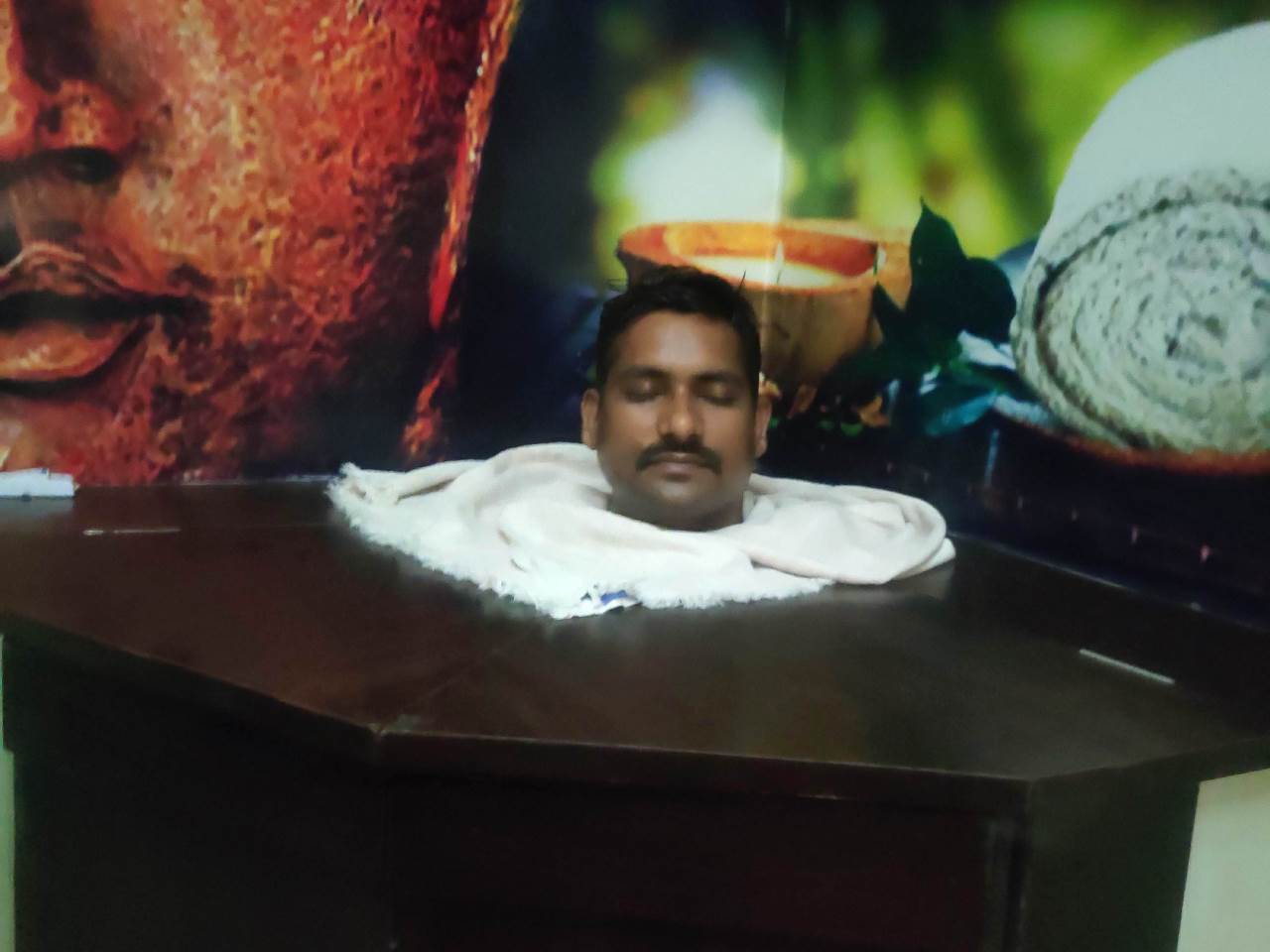
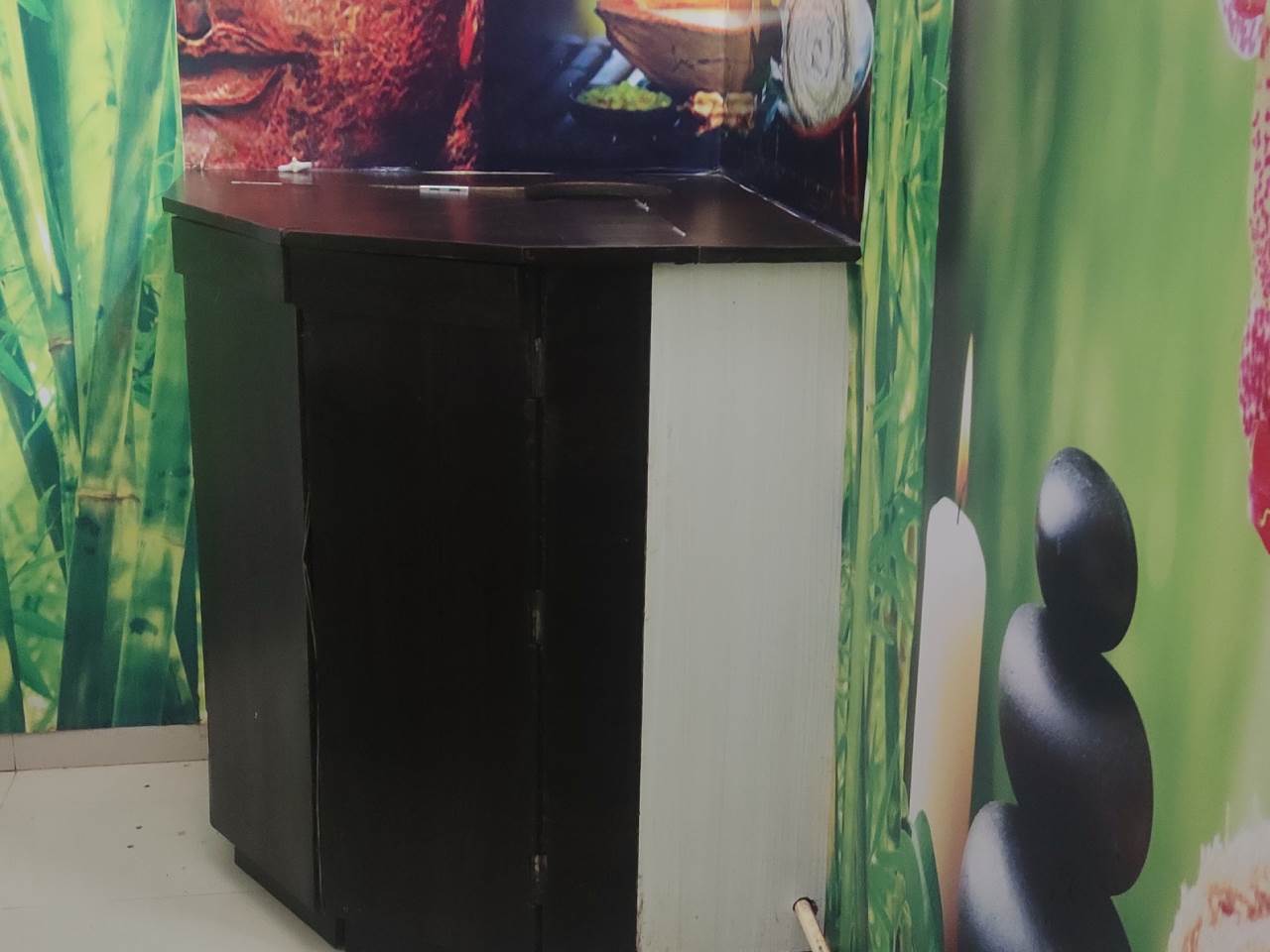
    Panchakarma Room

    Testimonials

    Shital Sthul

    Shital Sthul

    10/07/2026

    Google Icon

    Very nice & friendly staff ... perfectly treated on root cause.. Excellent support from doc.. I was ... Read more

    Vaishali Jawanjal

    Vaishali Jawanjal

    19/06/2026

    Google Icon
    Mohd Shoeb

    Mohd Shoeb

    18/06/2026

    Google Icon

    Ur amazing experts.....

    Prajakta Dongare

    Prajakta Dongare

    04/06/2026

    Google Icon
    Narendra Khandare

    Narendra Khandare

    16/05/2026

    Google Icon

    Very good hospital for anorectal surgery that is piles fissure fishtula, very good experience dr and... Read more

    Girish Mankar

    Girish Mankar

    16/05/2026

    Google Icon
    Sagar Wankhade

    Sagar Wankhade

    16/05/2026

    Google Icon

    (Translated by Google) I am Sagar Wankhade, I had a disease of fistula and piles. I had an operation... Read more

    Abrar Husain

    Abrar Husain

    12/05/2026

    Google Icon
    Mayur Abhyankar

    Mayur Abhyankar

    02/04/2026

    Google Icon

    “An exceptional doctor and highly skilled surgeon. He truly listens to his patients, understands the... Read more

    Samiksha Khandetod

    Samiksha Khandetod

    02/04/2026

    Google Icon
    UNNATI BAJAD

    UNNATI BAJAD

    20/03/2026

    Google Icon

    Great experience with Dr. Swati for fissure treatment. She was kind, professional, and explained eve... Read more

    Mangesh Deshmukh

    Mangesh Deshmukh

    21/02/2026

    Google Icon

    (Translated by Google) Correct diagnosis, correct medication and relief soon. (Original) योग्य निदा... Read more