

Book Appointment Now

    General Surgery in Amravati

    Comprehensive Surgical Care for Common and Complex General Surgical Conditions

    Shri Manmukund Hospital, Amravati provides comprehensive evaluation and surgical care for a wide range of general surgical conditions affecting the abdomen, groin, breast, skin and soft tissues, wounds, urinary tract and other parts of the body under Dr Vipin Tongale, M.S.Ayurved Shalya tantra, PhD.

    Our General Surgery Unit focuses on accurate clinical assessment, appropriate investigations, individualized treatment planning and safe surgical care. Depending on the condition, treatment may include medicines, observation, wound care, minor procedures or surgery.

    The unit provides care for commonly encountered conditions such as hernia, hydrocele, gallbladder stones, appendicitis, abdominal pain, renal colic and urinary stones, breast lumps, lipoma, sebaceous cyst, corn, wounds and other surgical conditions.

    Women who prefer consultation with a female surgeon can consult Dr. Swati Wankhade Tongale, MS (Ayurveda) – Shalya Tantra, particularly for anorectal and selected general surgical conditions.

    What Does General Surgery Include?

    General surgery is a broad surgical specialty dealing with many conditions involving the abdomen, abdominal wall, groin, breast, skin and soft tissues, wounds and other conditions requiring surgical assessment or intervention.

    At Shri Manmukund Hospital, patients can receive evaluation and treatment for both planned and urgent surgical conditions, with treatment selected according to the patient’s symptoms, examination findings, investigations and overall health.

    Conditions We Treat

    Hernia

    A hernia occurs when an internal organ or tissue pushes through a weak area in the surrounding muscle or connective tissue.

    Common types include:

    • Inguinal hernia
    • Umbilical hernia
    • Ventral hernia
    • Incisional hernia
    • Other abdominal wall hernias

    Common symptoms

    Patients may experience:

    • A swelling in the groin or abdomen
    • Swelling that becomes more prominent while standing, coughing or straining
    • Pain or discomfort
    • A feeling of heaviness
    • Difficulty with physical activity

    A clinical examination is important to determine the type and severity of hernia. Depending on the findings, surgical repair may be advised.

    Hernia treatment at Shri Manmukund Hospital is planned after assessment of the patient’s symptoms, hernia characteristics and general health.

    Lipoma and Other Soft-Tissue Lumps

    A lipoma is a commonly encountered benign fatty lump under the skin.

    Patients may present with:

    • A slowly growing lump
    • A soft or mobile swelling
    • Local discomfort due to size or location
    • Cosmetic concern

    Other lumps may include epidermoid/sebaceous cysts, localized swellings and other benign soft-tissue lesions.

    Not every lump should automatically be assumed to be a lipoma or cyst. A new, enlarging, painful, firm or unusual lump should be clinically examined.

    Where indicated, excision and appropriate pathological examination may be recommended.

    Wound Management

    Proper wound management is an important part of surgical care.

    We provide assessment and management for selected:

    • Acute wounds
    • Infected wounds
    • Traumatic wounds
    • Post-operative wounds
    • Chronic wounds
    • Non-healing wounds
    • Wounds requiring regular dressing and follow-up

    Wound care may include

    • Clinical wound assessment
    • Cleaning and dressing
    • Infection assessment
    • Debridement when indicated
    • Assessment of wound healing
    • Management of contributing factors
    • Appropriate follow-up

    A wound that is not healing as expected should be evaluated rather than treated only with repeated dressing.

    Gallbladder Stones

    Gallstones are stones that develop within the gallbladder.

    Some patients may have no symptoms, while others can develop:

    • Pain in the upper abdomen
    • Right upper abdominal pain
    • Pain after meals
    • Nausea or vomiting
    • Recurrent episodes of abdominal pain

    Gallstones may sometimes lead to complications such as inflammation of the gallbladder or obstruction of the biliary tract.

    Evaluation generally includes clinical examination and appropriate imaging, commonly ultrasound.

    When surgery is indicated, the patient is evaluated and counselled regarding the appropriate surgical approach.

    Renal Colic and Urinary Stones

    Urinary stones can cause severe pain when a stone moves through the urinary tract.

    Renal colic commonly presents as:

    • Sudden severe flank pain
    • Pain radiating toward the lower abdomen or groin
    • Restlessness due to pain
    • Nausea or vomiting
    • Burning during urination
    • Blood in urine in some patients

    The evaluation may include urine testing, blood investigations and imaging such as ultrasound or CT when clinically appropriate.

    Patients are assessed to determine whether the stone can be managed conservatively or requires procedural intervention or specialist urological care.

    Other General Surgical Conditions

    The General Surgery Unit can also evaluate patients with other conditions requiring surgical assessment, including selected:

    • Abdominal wall swellings
    • Skin and subcutaneous lesions
    • Abscesses
    • Localized infections
    • Post-operative complications
    • Surgical wounds
    • Minor surgical conditions
    • Other conditions requiring general surgical consultation

    When a condition requires another specialty, appropriate referral or coordinated care may be recommended.

    Hydrocele

    A hydrocele is an accumulation of fluid around the testicle that can cause swelling of the scrotum.

    Patients may notice:

    • Painless scrotal swelling
    • Heaviness
    • Gradual increase in swelling
    • Discomfort while walking or performing physical activities

    Scrotal swelling should be properly evaluated because several conditions can produce similar symptoms.

    When a hydrocele requires surgical treatment, appropriate surgical management can be planned after clinical assessment.

    Sebaceous / Epidermoid Cyst

    Sebaceous or epidermoid cysts are common lumps that can occur in different areas of the body.

    They may remain small and asymptomatic or become:

    • Painful
    • Inflamed
    • Infected
    • Enlarged
    • Discharging

    Treatment depends on the condition of the cyst. An infected cyst may require appropriate management, while definitive excision may be considered when clinically indicated.

    Corn and Minor Surgical Conditions

    The General Surgery Unit also provides evaluation and treatment for selected minor surgical conditions such as corns and localized skin or soft-tissue problems.

    Treatment is selected according to the cause, location, severity and recurrence of the condition.

    Patients with recurrent or atypical lesions may require further assessment to determine the underlying cause.

    Abdominal Pain and Surgical Abdominal Conditions

    Abdominal pain can have many causes, ranging from minor digestive problems to conditions requiring urgent surgical treatment.

    The location, duration, severity and nature of pain, along with associated symptoms, help determine the appropriate evaluation.

    Patients may present with:

    • Upper abdominal pain
    • Lower abdominal pain
    • Right-sided abdominal pain
    • Left-sided abdominal pain
    • Recurrent abdominal pain
    • Sudden severe abdominal pain
    • Pain associated with vomiting or fever
    • Abdominal pain associated with constipation or abdominal distension

    Depending on the clinical situation, evaluation may include physical examination, blood tests, ultrasound, X-ray, CT or other investigations.

    The objective is to identify whether the condition requires medical treatment, observation, specialist referral or surgical intervention.

    Appendix / Appendicitis

    Appendicitis is inflammation of the appendix and may require timely surgical evaluation.

    Common symptoms include:

    • Pain beginning around the abdomen and moving toward the right lower abdomen
    • Increasing abdominal pain
    • Loss of appetite
    • Nausea or vomiting
    • Fever
    • Abdominal tenderness

    Because abdominal pain can have several causes, proper clinical evaluation is important.

    Suspected appendicitis may require blood investigations and imaging depending on the clinical presentation.

    When appendicitis requires surgery, appropriate surgical treatment is planned according to the patient’s condition.

    Breast Lump Evaluation

    A breast lump should always be properly evaluated rather than assumed to be benign.

    Breast lumps may occur due to several causes, including benign conditions and, less commonly, malignant disease.

    Evaluation may include:

    • Clinical breast examination
    • Assessment of the size and location of the lump
    • Ultrasound
    • Mammography when appropriate
    • Further investigation or tissue diagnosis when indicated

    The treatment depends on the clinical and investigation findings.

    Early evaluation of a new or changing breast lump is important.

    Minor Surgical Procedures

    Selected minor surgical procedures may be performed depending on the diagnosis and clinical requirements.

    These may include:

    • Excision of selected lumps
    • Excision of cysts
    • Management of selected superficial lesions
    • Wound procedures
    • Abscess-related procedures
    • Minor skin and soft-tissue procedures
    • Other appropriate outpatient surgical procedures

    The procedure is recommended only after clinical assessment.

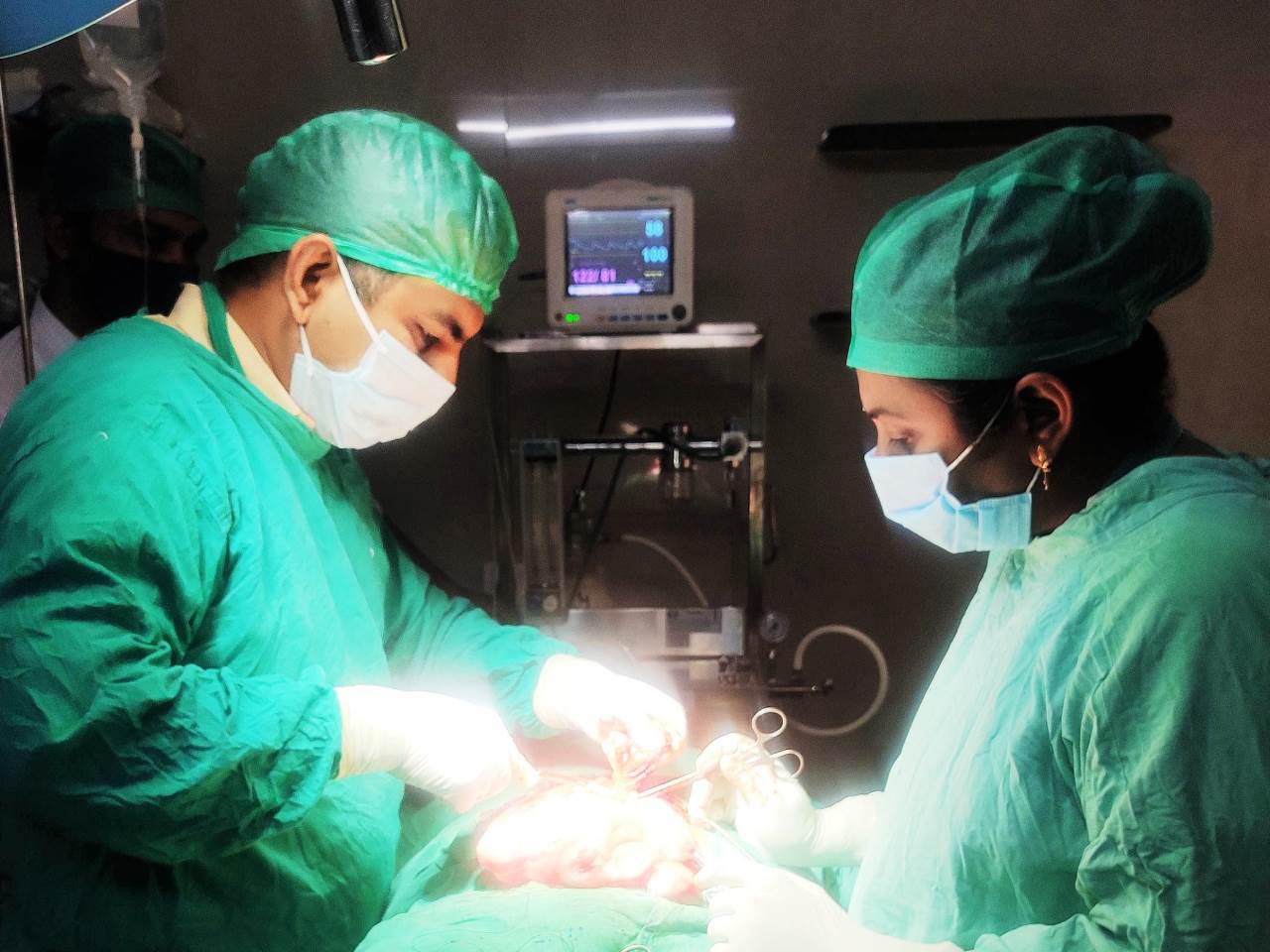
    Dr Vipin Tongale and Dr Swati Tongale Performing Inguinal Hernia Surgery
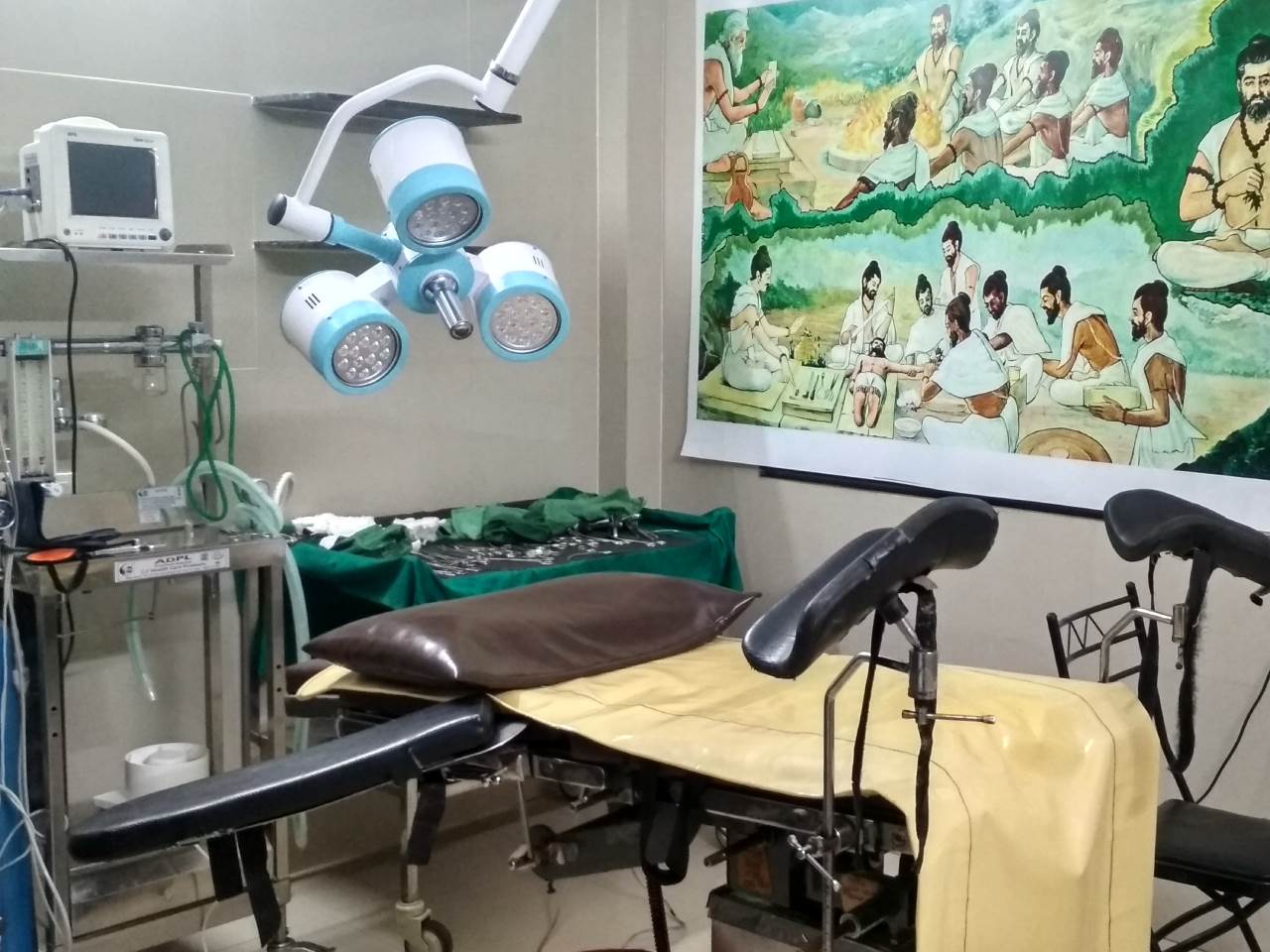
    Well equiped operation theater
    Excised breast Lump
    Appendicectomy
    Lipoma excised 1
    Excised large lipoma
    umbelical hernia 1
    Umbelical hernia ensac
    Lacerated wound 1
    Large Lacerated wound
    umbelcial hernia 4
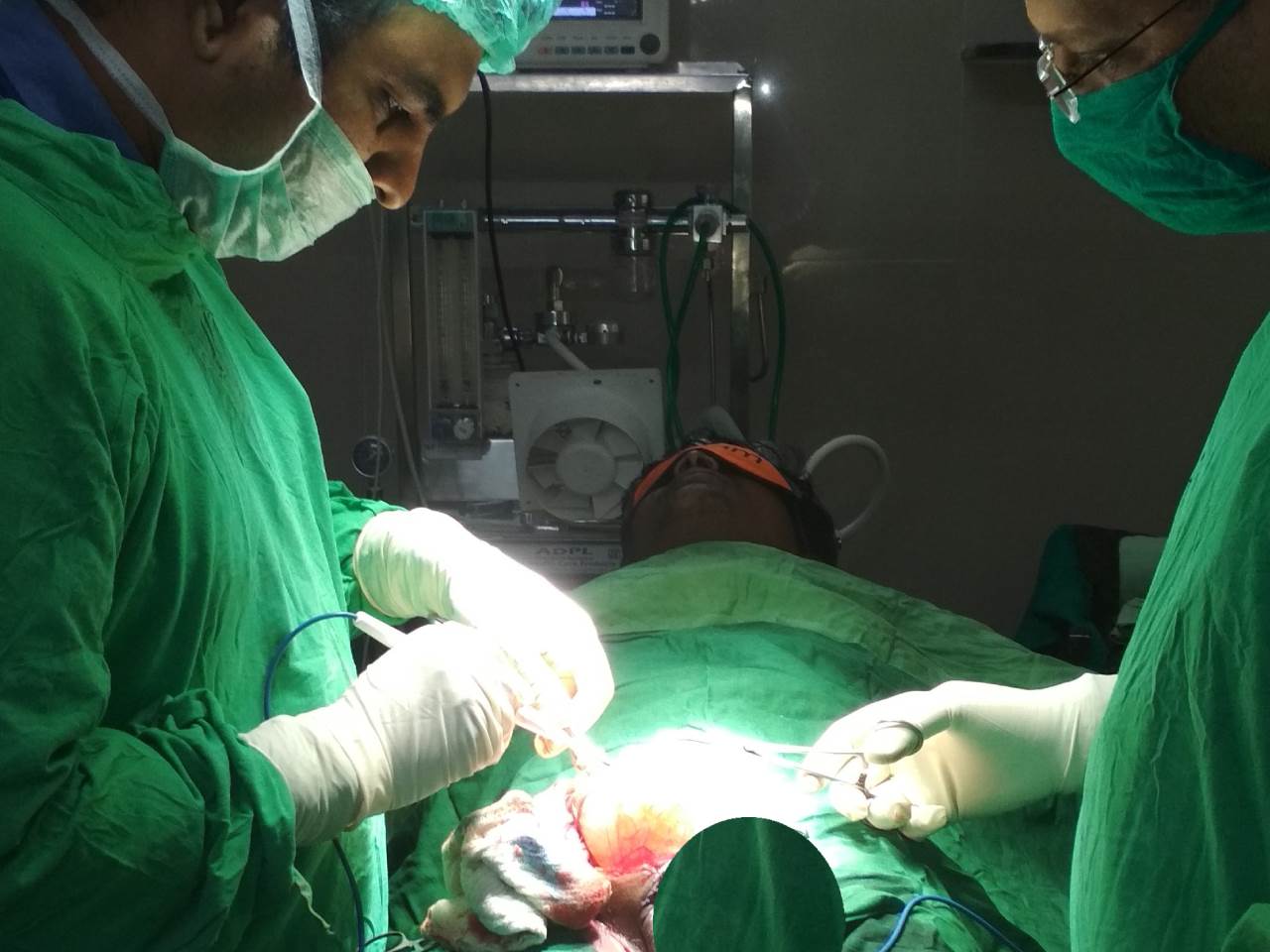
    Surgery for umbelical hernia

    When Should You Consult a General Surgeon AT sHRI mANMUKUND hOSPITAL?

    You should consider a surgical consultation if you have:

    • A new or increasing lump
    • Groin or abdominal swelling
    • Suspected hernia
    • Scrotal swelling or suspected hydrocele
    • Persistent or recurrent abdominal pain
    • Gallstone-related symptoms
    • Suspected appendicitis
    • Severe flank pain suggestive of renal colic
    • A breast lump
    • A wound that is not healing
    • Recurrent abscess or cyst
    • A skin or soft-tissue lesion requiring removal
    • A condition that may require a surgical procedure

    Seek urgent medical attention for symptoms such as:

    • Sudden severe abdominal pain
    • Persistent vomiting
    • Abdominal distension with severe pain
    • A painful hernia swelling that cannot be pushed back
    • High fever with severe abdominal pain
    • Significant bleeding
    • Rapidly worsening symptoms

    Why Choose Shri Manmukund Hospital for General Surgery?

    Comprehensive Surgical Evaluation

    Patients can receive evaluation for a wide range of common general surgical conditions under one healthcare facility.

    Individualized Treatment Planning

    Treatment is selected according to the patient’s condition rather than following the same approach for every patient.

    Surgical and Non-Surgical Options

    Where clinically appropriate, patients are assessed for medical management, observation, minor procedures or surgery.

    Focus on Patient Education

    Patients are informed about their diagnosis, treatment options, expected recovery and follow-up requirements.

    Integrated Healthcare Environment

    Shri Manmukund Hospital also provides specialized services through its other departments and units, allowing patients to be directed toward appropriate care when their condition requires another specialty.

    Meet Our Doctors

    Dr Vipin Tongale

    MS Ayurved Shalya Tantra, PhD Consultant Surgeon and Proctologist

    Dr Swati Tongale (Wankhade)

    MS Ayurved Shalya Tantra, Consultant Surgeon and Proctologist

    Testimonials

    Shital Sthul

    Shital Sthul

    10/07/2026

    Google Icon

    Very nice & friendly staff ... perfectly treated on root cause.. Excellent support from doc.. I was ... Read more

    Vaishali Jawanjal

    Vaishali Jawanjal

    19/06/2026

    Google Icon
    Mohd Shoeb

    Mohd Shoeb

    18/06/2026

    Google Icon

    Ur amazing experts.....

    Prajakta Dongare

    Prajakta Dongare

    04/06/2026

    Google Icon
    Narendra Khandare

    Narendra Khandare

    16/05/2026

    Google Icon

    Very good hospital for anorectal surgery that is piles fissure fishtula, very good experience dr and... Read more

    Girish Mankar

    Girish Mankar

    16/05/2026

    Google Icon
    Sagar Wankhade

    Sagar Wankhade

    16/05/2026

    Google Icon

    (Translated by Google) I am Sagar Wankhade, I had a disease of fistula and piles. I had an operation... Read more

    Abrar Husain

    Abrar Husain

    12/05/2026

    Google Icon
    Mayur Abhyankar

    Mayur Abhyankar

    02/04/2026

    Google Icon

    “An exceptional doctor and highly skilled surgeon. He truly listens to his patients, understands the... Read more

    Samiksha Khandetod

    Samiksha Khandetod

    02/04/2026

    Google Icon
    UNNATI BAJAD

    UNNATI BAJAD

    20/03/2026

    Google Icon

    Great experience with Dr. Swati for fissure treatment. She was kind, professional, and explained eve... Read more

    Mangesh Deshmukh

    Mangesh Deshmukh

    21/02/2026

    Google Icon

    (Translated by Google) Correct diagnosis, correct medication and relief soon. (Original) योग्य निदा... Read more